How to know yourself better
There comes a moment in life when external achievements stop feeling enough. You may have goals, relationships, and routines—but still feel a subtle emptiness, a quiet question lingering within: Who am I, really?

This question is not new. It has echoed through centuries, across philosophies and spiritual traditions. Yet, in today’s fast-paced world, it has become even more important—and more difficult—to answer.
Learning how to know yourself better is not just about personality tests or preferences. It is about understanding your thoughts, emotions, patterns, fears, desires, and the deeper awareness behind all of them.
This is not a quick process. It is a journey—one that unfolds slowly, but transforms everything.
What Does It Truly Mean to Know Yourself?

Most people believe they know themselves because they know their likes, dislikes, or habits. But self-knowledge goes much deeper than that.
To truly know yourself means:
- Understanding why you think the way you do
- Observing your emotional patterns without judgment
- Recognizing your unconscious behaviors
- Becoming aware of your inner voice
It is not about labeling yourself—it is about seeing yourself clearly.
From a philosophical perspective, knowing yourself is not about creating an identity, but about uncovering what already exists beneath all identities.
Why Self-Awareness is Rare in the Modern World
If knowing yourself is so important, why do so few people truly achieve it?

Constant Distraction
We live in a world where silence is uncomfortable. Phones, social media, and constant stimulation keep us distracted from our own thoughts.
Fear of Facing the Truth
Knowing yourself sometimes means confronting uncomfortable realities—your insecurities, fears, or unresolved emotions.
Identity Built on External Validation
Many people define themselves based on society, family expectations, or achievements, rather than inner understanding.
This is why learning how to know yourself better psychology is not just intellectual—it requires courage.
The Psychological Approach to Knowing Yourself
Psychology offers practical tools to explore your inner world.

Observing Your Thoughts Without Attachment
Your thoughts are not you—they are patterns shaped by past experiences. When you start observing them instead of reacting, you create space for awareness.
Identifying Emotional Triggers
Pay attention to what triggers strong emotions in you. Anger, jealousy, fear—these reactions often reveal deeper beliefs.
Understanding Your Behavioral Patterns
Ask yourself:
- Why do I react this way in certain situations?
- Why do I repeat the same mistakes?
Patterns are clues. They point towards unresolved aspects of yourself.
Practicing Self-Reflection Daily
Even a few minutes of reflection can bring clarity. Ask simple but powerful questions to get to know yourself;
- What did I feel strongly about today?
- What made me uncomfortable?
- What made me feel alive?
These questions slowly reveal your inner landscape.
The Spiritual Path: How to Know Yourself Spiritually
While psychology focuses on the mind, spirituality goes beyond it.
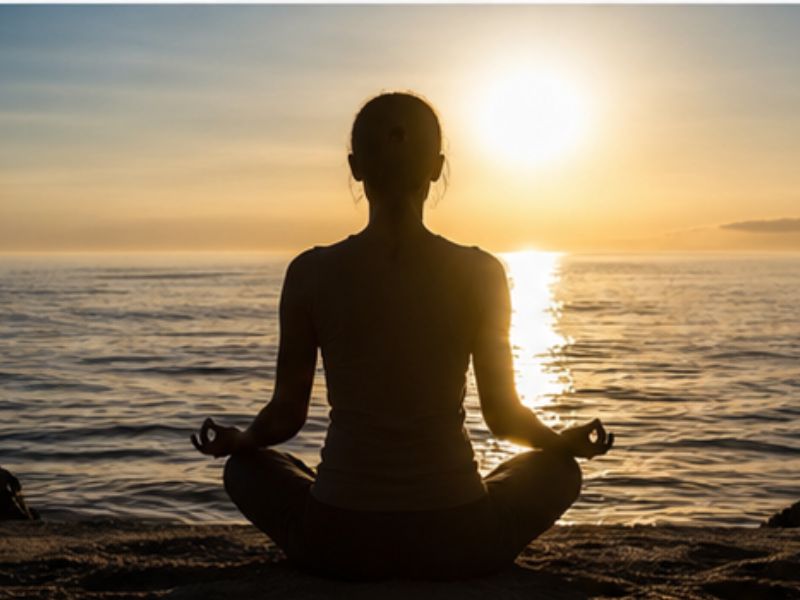
You Are Not Your Thoughts
Spiritual traditions suggest that your true self is not your thoughts, emotions, or identity—but the awareness behind them.
When you sit quietly and observe your mind, you begin to notice something interesting: thoughts come and go, but something within you remains constant.
That constant presence—that silent awareness—is closer to your true self.
The Power of Silence
Silence is not empty. It is where you meet yourself.
Spending time in silence—without distractions—helps you connect with your deeper nature.
Meditation as a Tool for Self-Discovery
Meditation is not about controlling thoughts. It is about observing them.
Through regular practice, you begin to see the difference between your mind and your true self.
This is the essence of learning how to know yourself spiritually.
The Role of Questions in Self-Discovery

Sometimes, the right questions can reveal more than years of thinking.
Here are some powerful questions to get to know yourself:
- What am I avoiding in my life?
- What do I truly want, beyond societal expectations?
- What fears control my decisions?
- When do I feel most authentic?
- What does success mean to me personally?
These questions are not meant to be answered quickly. Sit with them. Let them unfold.
Can a “How to Know Yourself Quiz” Really Help?
In today’s digital world, many people search for a how to know yourself quiz to gain clarity.
While quizzes can be a good starting point, they have limitations.
What Quizzes Can Do
- Provide insights into personality traits
- Help you reflect on preferences and behaviors
- Offer a structured way to think about yourself
What They Cannot Do
- Reveal your deeper consciousness
- Understand your unique experiences fully
- Replace real self-reflection
Think of quizzes as mirrors—they reflect something, but not the whole picture.
The Layers of the Self: Going Beyond Surface Identity
To understand yourself, you need to explore different layers:
The Physical Self
Your body, habits, and routines.
The Mental Self
Your thoughts, beliefs, and perceptions.
The Emotional Self
Your feelings, attachments, and reactions.
The Observing Self
The silent awareness that observes all of the above.
Most people live in the first three layers. Self-realization begins when you become aware of the fourth.
The Habit of Self-Observation
Self-awareness is not a one-time event. It is a daily practice.
Watch Yourself Without Judgment
Instead of criticizing yourself, simply observe:
- Your reactions
- Your thoughts
- Your behavior
Observation without judgment creates understanding.
Notice Your Inner Dialogue
What do you tell yourself daily? Is it supportive or critical?
Your inner voice shapes your reality more than external circumstances.
The Role of Journaling in Knowing Yourself Better
Writing is one of the most powerful tools for self-discovery.
Why Journaling Works
When you write, your thoughts slow down. You begin to see patterns that are otherwise hidden.
What to Write About
- Your daily experiences
- Your emotional reactions
- Your fears and desires
- Your reflections on life
Over time, your journal becomes a mirror of your inner world.
Facing Your Shadow: The Difficult Side of Self-Knowledge
Knowing yourself is not always comfortable.
What is the Shadow?
The shadow consists of parts of yourself that you avoid or deny—anger, insecurity, jealousy, fear.
Why It Matters
Ignoring these aspects doesn’t make them disappear. It only makes them unconscious.
When you bring them into awareness, they lose their power over you.
How Relationships Help You Understand Yourself
Interestingly, you don’t discover yourself in isolation alone.
Others Reflect You
Your relationships reveal your patterns, expectations, and emotional responses.
Pay Attention to Conflicts
Conflicts are not just about others—they often reflect something within you.
Ask yourself:
- Why did this situation affect me so strongly?
- What does this reveal about my expectations?
The Balance Between Change and Acceptance
Self-discovery is not just about changing yourself.
It is about understanding what needs to change—and what needs to be accepted.
Acceptance
Accept your past, your emotions, your imperfections.
Growth
Work on patterns that limit your growth.
True self-awareness balances both.
The Illusion of Identity
One of the deepest realizations in self-discovery is this:
You are not a fixed identity.
Your personality, beliefs, and roles keep changing. But something within you remains constant.
When you stop identifying completely with labels—student, professional, introvert, extrovert—you begin to experience a deeper sense of freedom.
Practical Daily Practices to Know Yourself Better
Self-discovery doesn’t require drastic changes. Small daily practices can make a big difference.
Spend Time Alone
Even 10–15 minutes of solitude can help you reconnect with yourself.
Limit Distractions
Reduce unnecessary screen time and noise.
Practice Mindfulness
Be fully present in whatever you are doing.
Reflect Before Sleeping
Ask yourself:
- What did I learn about myself today?
The Journey Never Ends
Knowing yourself is not a destination—it is an ongoing process.
Every experience, every challenge, every relationship reveals something new.
The more you explore, the more you realize how much there is to discover.
Final Thoughts: Meeting Your True Self
At the deepest level, self-discovery is not about becoming someone new.
It is about removing layers of conditioning, fear, and illusion to reveal who you already are.
You don’t need to search outside.Ddon’t need to become perfect.
You only need to observe, reflect, and remain open.
Start with a simple step today—ask yourself one honest question and sit with it.
Because the moment you begin to look within, you are already on the path of knowing yourself better.
And slowly, quietly—you will meet yourself.
FAQs How to know yourself better
Q1. How do I actually know myself?
Knowing yourself begins with honest observation. Instead of trying to define yourself quickly, start by noticing your thoughts, emotions, and reactions in daily life. Pay attention to what triggers you, what excites you, and what drains your energy. Self-awareness grows when you stop judging yourself and start understanding yourself. Journaling, solitude, and reflection are simple but powerful ways to begin this journey.
Q2. How can I know my true self?
Your true self is not your roles, achievements, or social identity—it is the awareness behind all of them. To know your true self, you need to move beyond surface-level thinking. Spend time in silence, observe your thoughts without attachment, and question your beliefs. Over time, you will realize that your true self is calm, aware, and not limited by temporary emotions or labels.
Q3. What are the 7 steps to loving yourself?
Self-love is a process, not a single decision. Here are seven meaningful steps:
- Accept yourself without conditions
- Forgive your past mistakes
- Set healthy boundaries
- Practice self-care regularly
- Speak kindly to yourself
- Let go of comparison
- Commit to personal growth
When you follow these steps consistently, self-love becomes natural rather than forced.
Q4. What are the 7 elements of self?
The self can be understood through different layers or elements:
- Physical self (body and health)
- Emotional self (feelings and responses)
- Mental self (thoughts and beliefs)
- Social self (relationships and interactions)
- Moral self (values and ethics)
- Spiritual self (inner awareness and purpose)
- Experiential self (life experiences and memories)
Understanding these elements helps you see yourself as a whole rather than in fragments.
Q5. How to know yourself book?
Books can be powerful guides in self-discovery. Look for books that focus on philosophy, psychology, and mindfulness. Instead of just reading, reflect on what resonates with you. The right book doesn’t give you answers—it helps you ask better questions about yourself. Choose books that challenge your thinking rather than just comfort you.
Q6. How to know yourself quiz?
A how to know yourself quiz can be a helpful starting point. It can reveal your personality traits, preferences, and tendencies. However, it should not be your final source of truth. Use quizzes as tools for reflection, not definitions of who you are. Real self-knowledge comes from personal experience and awareness.
Q7. How to know yourself better Psychology?
From a psychological perspective, knowing yourself involves understanding your thoughts, emotions, and behavior patterns. You can do this by:
- Observing your reactions in different situations
- Identifying emotional triggers
- Recognizing repeated patterns
- Reflecting on your past experiences
Psychology helps you see how your mind works, which is essential for deeper self-awareness.
Q8. How to know yourself spiritually?
To know yourself spiritually, you need to go beyond the mind. Practices like meditation, mindfulness, and silence help you connect with your inner awareness. Spiritual self-discovery is about realizing that you are not just your thoughts or emotions, but the observer behind them. This realization brings a sense of peace and clarity.
Q9. What are the 4 types of self?
The concept of self can be simplified into four types:
- Real self – who you truly are
- Ideal self – who you want to become
- Social self – how others see you
- Perceived self – how you see yourself
Understanding these types helps you identify gaps between your reality and your expectations.
Q10. How to 100% be yourself?
Being 100% yourself doesn’t mean being perfect—it means being authentic. It involves accepting your strengths and weaknesses, expressing your true thoughts, and not living solely for external validation. When you stop pretending and start aligning your actions with your values, you naturally become your true self.
Tôi đã chơi thử vài ngày và cảm thấy trải nghiệm ở đây khá ổn định, giao diện dễ sử dụng và có nhiều trò chơi hấp dẫn dành cho người mới lẫn người chơi lâu năm game xn88 TONY07-08