Stress Management in Psychology

Let’s be honest—stress is something we all deal with. Whether it’s work deadlines, relationship issues, money worries, or just overthinking about life, stress somehow finds its way in. But here’s the thing: stress itself isn’t the real problem. The way we handle it is what makes all the difference.
Stress Management in Psychology isn’t just about “relaxing” or taking breaks. It’s about understanding what’s happening inside your mind and body—and learning how to respond in a healthier way. So let’s break it down together in a simple, real-life way.
Understanding Stress in Psychology

So what exactly is stress?
In simple terms, stress is your body’s reaction to any kind of demand or pressure. It can come from outside situations (like work or exams) or even from your own thoughts (like self-doubt or overthinking).
And here’s something interesting—not all stress is bad.
Types of Stress You Should Know
Let’s quickly understand the different types of stress you experience:
Acute Stress
This is the short-term kind. Like when you’re nervous before an interview or presentation. It comes and goes quickly.
Chronic Stress
This one sticks around for a long time. It could be due to ongoing problems like financial issues, toxic relationships, or job dissatisfaction.
Eustress (Positive Stress)
Yes, stress can actually be good! This kind pushes you to perform better—like preparing for something important.
Distress (Negative Stress)
This is the harmful one. It drains your energy, affects your mood, and can lead to burnout.
Once you understand which type you’re dealing with, it becomes much easier to manage it.
The Psychology Behind Stress Response
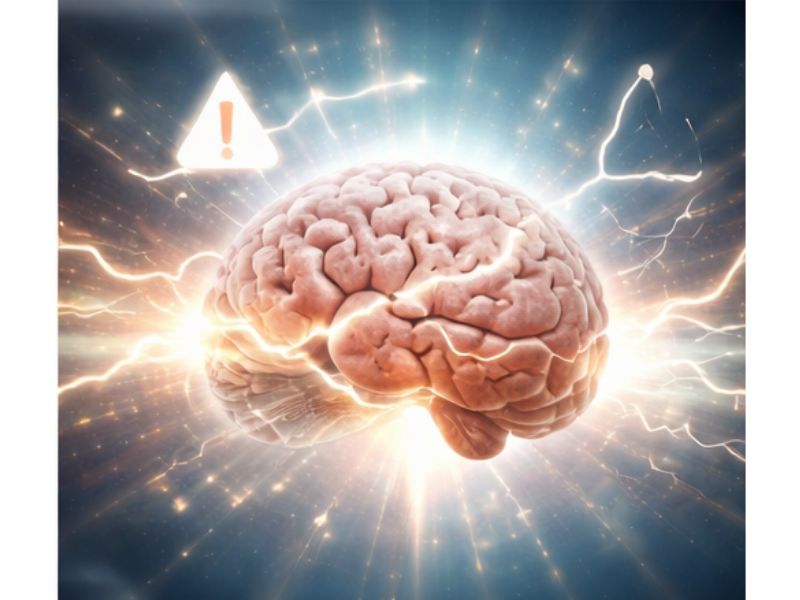
Have you ever noticed your heart racing when you’re stressed? That’s not random—it’s your body reacting.
When you face stress, your brain activates something called the “fight or flight” response.
Here’s what happens:
- Your brain senses danger (even if it’s just mental pressure)
- Stress hormones like cortisol and adrenaline are released
- Your heart rate increases
- Your muscles tighten
- You become more alert
This response is helpful in real danger. But the problem is—today’s stress is usually mental, not physical. So your body stays in this “alert mode” for too long, and that’s where issues begin.
Common Causes of Stress in Daily Life

Let’s be real—stress doesn’t come from just one place. It can show up in different areas of life.
Work and Career Pressure
Deadlines, workload, competition—it all adds up.
Academic Stress
Students deal with exams, expectations, and constant pressure about the future.
Relationship Issues
Arguments, misunderstandings, or emotional distance can create deep stress.
Financial Problems
Money worries can keep your mind constantly occupied.
Health Concerns
Whether it’s your own health or someone close to you, it can be mentally exhausting.
Overthinking
Sometimes, the biggest stress comes from our own thoughts.
Signs and Symptoms of Stress
Many times, we’re stressed—but we don’t even realize it.
Here are some common signs to watch for:
Emotional Signs
- Feeling anxious or irritated
- Getting overwhelmed easily
- Mood swings
- Lack of motivation
Physical Signs
- Headaches
- Constant tiredness
- Poor sleep
- Muscle stiffness
Behavioral Signs
- Procrastination
- Eating too much or too little
- Avoiding people
- Increased caffeine or alcohol intake
Recognizing these signs early can really help you take control before things get worse.
Why Stress Management Matters

You might think, “It’s okay, I’ll just deal with it later.” But ignoring stress doesn’t make it disappear—it builds up.
Managing stress properly helps you:
- Think clearly
- Stay emotionally balanced
- Improve your health
- Build better relationships
- Be more productive
Basically, it improves your overall life.
Effective Stress Management Techniques in Psychology
Now let’s talk about what actually works.
Stress management isn’t about removing stress completely—it’s about handling it better.
Cognitive Behavioral Techniques
Your thoughts play a huge role in how you feel.
Cognitive Restructuring
Instead of thinking “I can’t do this,” try telling yourself, “I’ll figure this out step by step.”
Thought Awareness
Start noticing how you talk to yourself. Negative self-talk can silently increase stress.
Mindfulness and Meditation
This is all about staying in the present moment.
Instead of worrying about the past or future, mindfulness helps you focus on “now.”
Why it works:
- Reduces anxiety
- Improves focus
- Helps control emotions
Even simple breathing exercises can make a big difference.
Relaxation Techniques
Sometimes your body just needs to calm down.
Deep Breathing
Slow breathing signals your body to relax.
Progressive Muscle Relaxation
Tighten and release muscles to remove tension.
Visualization
Imagine a peaceful place—it actually helps your mind relax.
Time Management Strategies
A lot of stress comes from poor time planning.
Prioritize Tasks
Focus on what really matters.
Break Tasks Down
Big tasks feel scary. Smaller steps feel doable.
Avoid Multitasking
Doing everything at once just increases stress.
Lifestyle Changes for Stress Reduction
Your daily habits matter more than you think.
Exercise Regularly
It releases feel-good hormones.
Eat Healthy
What you eat affects how you feel.
Sleep Well
Lack of sleep makes everything harder.
Reduce Screen Time
Too much scrolling = more stress and comparison.
Emotional Coping Strategies
Handling emotions is just as important as solving problems.
Talk It Out
Share your feelings with someone you trust.
Journaling
Writing helps clear your mind.
Practice Gratitude
Focusing on what’s good reduces stress.
Social Support and Relationships
You don’t have to deal with everything alone.
- Spend time with positive people
- Ask for help when needed
- Stay away from toxic environments
Support systems really do make a difference.
Stress Management for Students
If you’re a student, stress can feel constant.
What helps:
- Follow a realistic study routine
- Don’t leave things for the last moment
- Take breaks
- Be kind to yourself
You don’t have to be perfect—you just have to keep going.
Stress Management in the Workplace
Work stress is extremely common today.
Try this:
- Set clear work-life boundaries
- Take short breaks
- Communicate clearly
- Learn to say “no”
Balance is key.
Long-Term Effects of Unmanaged Stress
If stress is ignored for too long, it can seriously affect your health.
Mental Effects
- Anxiety
- Depression
- Burnout
Physical Effects
- High blood pressure
- Heart issues
- Weak immunity
Behavioral Effects
- Addiction
- Poor decisions
- Relationship problems
That’s why managing stress early is so important.
Psychological Theories of Stress
Let’s simplify this.
Transactional Model
Stress depends on how you see a situation.
General Adaptation Syndrome
Your body reacts in stages: alarm → resistance → exhaustion.
Cognitive Appraisal Theory
Your interpretation decides whether something feels stressful.
Basically, stress is not just about situations—it’s about perception.
Natural and Holistic Ways to Reduce Stress
Sometimes, simple things work best.
Yoga and Breathing
Great for both mind and body.
Nature
Spending time outdoors is naturally calming.
Creative Activities
Art, music, or hobbies help release emotions.
Building Resilience Against Stress
Resilience means bouncing back from tough situations.
How to build it:
- Stay positive
- Accept change
- Focus on solutions
- Understand your emotions
Strong people don’t avoid stress—they handle it better.
When to Seek Professional Help
Sometimes, you need extra support—and that’s completely okay.
Consider help if:
- Stress affects your daily life
- You feel constantly anxious
- Sleep and focus are disturbed
- You rely on unhealthy habits
A professional can guide you in the right direction.
Final Thoughts on Stress Management
Here’s the truth—stress isn’t going anywhere. But that doesn’t mean it has to control your life.
Think of stress as a signal, not a problem. It’s your mind telling you that something needs attention.
Start small. You don’t have to change everything overnight. Pick one technique—maybe breathing, journaling, or better time management—and stick with it.
Over time, these small changes will make a big difference.
At the end of the day, stress management is not about controlling everything around you—it’s about learning how to stay calm and clear within yourself.
FAQs on Stress Management in Psychology
Q1. What is stress management in psychology?
Stress management in psychology refers to a set of techniques and strategies used to control a person’s level of stress, especially chronic stress, to improve everyday functioning. It focuses on understanding how your mind reacts to pressure and then training your thoughts, emotions, and behaviors to respond in a healthier way. Instead of eliminating stress completely, it helps you handle it more effectively.
Q2. What are the 5 C’s of stress management?
The 5 C’s of stress management are simple guiding principles that help you stay mentally balanced:
- Clarity – Understanding what is actually causing your stress
- Control – Focusing on what you can control instead of what you can’t
- Connection – Building supportive relationships
- Confidence – Believing in your ability to handle challenges
- Commitment – Staying consistent with healthy habits
These five elements work together to build emotional strength and resilience.
Q3. What are 5 stress management techniques?
Here are five effective and widely used stress management techniques:
- Deep breathing exercises to calm your nervous system
- Mindfulness or meditation to stay present
- Physical exercise to release stress hormones
- Time management to reduce overwhelm
- Positive thinking (cognitive restructuring) to control negative thoughts
These techniques are simple but powerful when practiced regularly.
Q4. What are the 7 steps in managing stress?
Managing stress can be broken down into these 7 practical steps:
- Identify the source of stress
- Understand your reaction to it
- Challenge negative thoughts
- Practice relaxation techniques
- Improve time management
- Build a support system
- Maintain a healthy lifestyle
Following these steps consistently can significantly reduce stress levels.
Q5. What are 10 ways to cope with stress?
Here are 10 practical ways to cope with stress in daily life:
- Exercise regularly
- Get enough sleep
- Practice deep breathing
- Stay organized
- Talk to someone you trust
- Take breaks when needed
- Avoid overthinking
- Eat a balanced diet
- Limit social media use
- Engage in hobbies or creative activities
These habits help you stay emotionally and physically balanced.
Q6. What are the causes of stress in psychology?
Stress can be caused by a variety of internal and external factors, such as:
- Work or academic pressure
- Financial problems
- Relationship conflicts
- Health issues
- Major life changes
- Overthinking and negative mindset
In psychology, stress is often linked not just to situations but also to how a person perceives those situations.
Q7. What is stress management in psychology?
Stress management in psychology is the scientific approach to identifying stress triggers and applying mental, emotional, and behavioral techniques to reduce their impact. It includes therapies, coping strategies, and lifestyle adjustments that help individuals maintain mental well-being and resilience.
Q8. What is the 3-3-3 rule for stress?
The 3-3-3 rule is a quick grounding technique used to reduce anxiety and stress in the moment:
- Name 3 things you can see
- Name 3 things you can hear
- Move 3 parts of your body
This technique helps shift your focus away from stress and brings your mind back to the present moment.
Q9. What are the 4 types of stress?
The four main types of stress are:
- Acute Stress – Short-term stress that comes and goes quickly
- Chronic Stress – Long-term, ongoing stress
- Eustress – Positive stress that motivates you
- Distress – Negative stress that harms your well-being
Understanding these types helps in identifying and managing stress better.
Q10. What are the 4 principles of stress management?
The four key principles of stress management are:
- Awareness – Recognizing stress and its triggers
- Acceptance – Understanding that stress is a part of life
- Action – Taking steps to manage and reduce stress
- Adaptation – Adjusting your mindset and behavior over time
These principles form the foundation of long-term stress control and emotional stability.