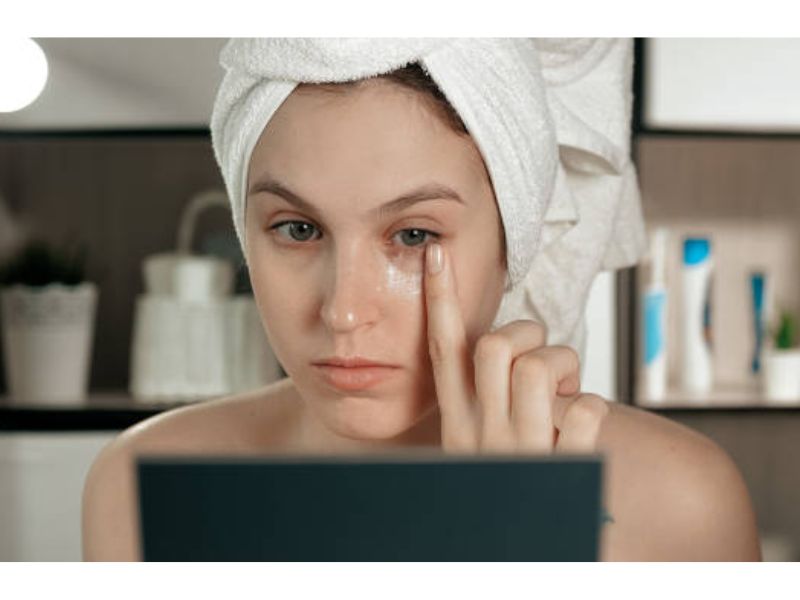
Introduction: The Rise of Homemade Eye Cream in Natural Skincare
In recent years, homemade eye cream has become a popular choice for people looking to care for the delicate skin around their eyes naturally and affordably. Unlike commercial products filled with synthetic ingredients, DIY eye creams allow you to choose pure, nourishing components like coconut oil, shea butter, and vitamin E. These natural formulations can help reduce puffiness, lighten dark circles, and soften fine lines—all without harsh chemicals. Making your own eye cream at home is not only cost-effective but also customizable, letting you create a personalized solution that fits your skin type and addresses your unique concerns.
Why Make Your Own Homemade Eye Cream
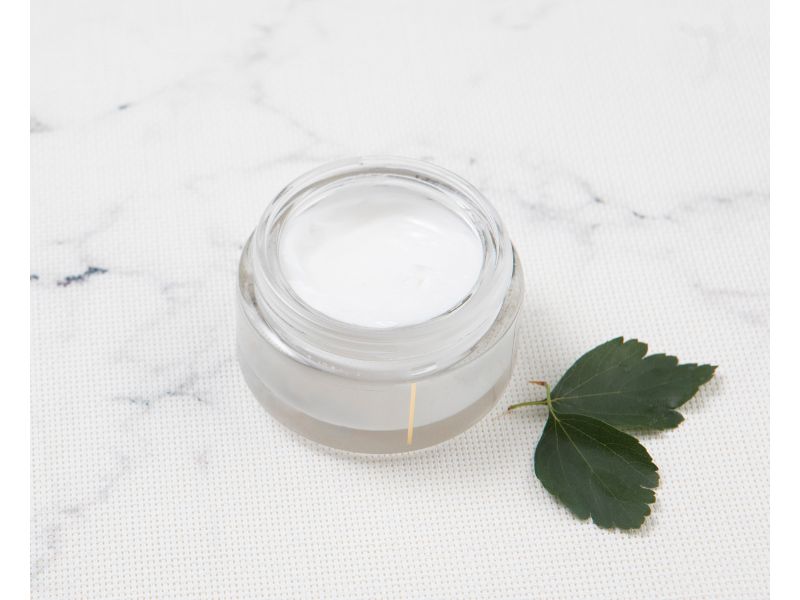
Creating a homemade eye cream (also called DIY under-eye balm or natural eye serum) allows you to have full control over what you apply to the delicate skin around your eyes. The under-eye area is naturally thinner and more prone to dryness, puffiness, and fine lines. Many commercial eye creams contain preservatives, synthetic fragrances, and water fillers that may irritate sensitive skin.
By making your own natural eye cream at home, you can handpick nourishing, safe ingredients and avoid unwanted chemicals, ensuring a cleaner, skin-friendly alternative.
Key Benefits of Homemade Eye Cream
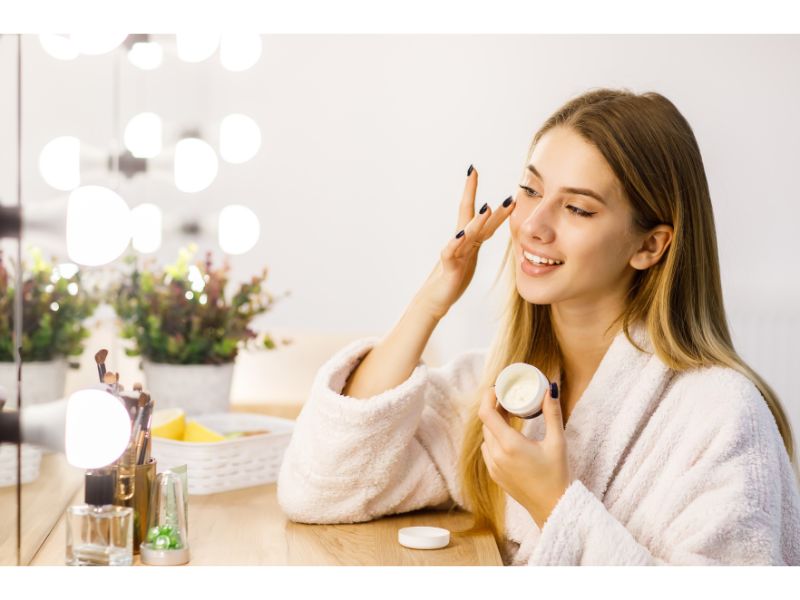
1. Pure and Chemical-Free
You know exactly what goes into your cream—no hidden additives, synthetic fragrances, or harsh chemicals.
2. Cost-Effective Solution
High-end eye creams can be expensive. A homemade version costs only a fraction and lasts longer.
3. Fully Customizable
You can adjust the oils, butters, or essential oils to suit your specific needs, whether for hydration, brightening, or anti-aging.
4. Eco-Friendly and Sustainable
Homemade formulations let you reuse glass jars and reduce plastic packaging waste, making it a more sustainable skincare option.
Understanding Key Ingredients for Natural Eye Creams
When making your own homemade eye cream, choosing the right ingredients is essential. Each component brings unique benefits that help nourish, protect, and rejuvenate the delicate under-eye area. Below, we break down the most effective natural ingredients you can use and why they’re beneficial.
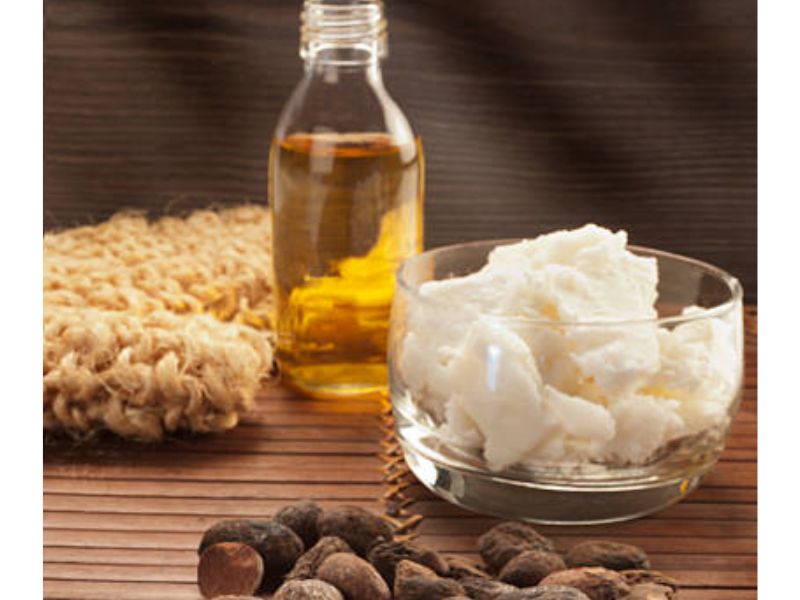
1. Carrier Oils and Butters
Carrier oils and butters form the base of any good DIY eye cream. They provide deep hydration, help lock in moisture, and support the skin’s natural repair process.
- Coconut Oil – Known for its rich moisturizing properties, coconut oil helps soften fine lines and keeps the under-eye area supple. Its natural anti-inflammatory qualities can also calm puffiness and soothe irritated skin.
- Shea Butter and Cocoa Butter – These nutrient-dense butters are excellent for adding firmness and improving skin elasticity. They create a protective layer that helps prevent water loss, making them ideal for dry or mature skin.
- Sweet Almond Oil – A lightweight yet highly nourishing oil, sweet almond oil is packed with vitamins D and E. It absorbs easily without clogging pores, making it perfect for hydrating delicate under-eye skin.
- Rosehip Seed Oil – Often referred to as a natural anti-aging remedy, rosehip oil penetrates deeply into the skin. It stimulates collagen production, helps reduce dark circles, and fades pigmentation and spots over time.
2. Antioxidants and Vitamins
Antioxidants and vitamins are essential for protecting the skin from environmental damage and boosting its natural repair mechanisms.
- Vitamin E Oil – A potent antioxidant, vitamin E not only moisturizes but also helps heal damaged skin cells. It supports skin regeneration and extends the shelf life of homemade creams by preventing oils from becoming rancid.
- Vitamin K – Known for its ability to reduce dark circles and pigmentation, vitamin K improves blood circulation under the eyes and helps diminish discoloration naturally.
- Essential Oils (Frankincense, Lavender, Clary Sage, Carrot Seed) – Essential oils add therapeutic benefits to your cream. Frankincense promotes cell renewal and reduces wrinkles, lavender soothes inflammation, clary sage balances oil production, and carrot seed rejuvenates dull skin. These oils are highly concentrated, so only a few drops are needed, and a patch test is recommended before use.
3. Caffeine, Coffee, Green Tea, and Honey
Some natural boosters can be added to homemade eye creams for targeted treatment against puffiness and dark circles.
- Honey – A natural humectant, honey draws moisture into the skin, keeping it hydrated. It also has soothing and antibacterial properties that can help calm irritated or sensitive under-eye skin.
- Caffeine – Derived from coffee or green tea, caffeine stimulates blood circulation around the eyes. It helps constrict blood vessels, which reduces puffiness and makes dark circles less visible.
- Green Tea Extract – Rich in antioxidants, green tea protects against free radicals, prevents premature aging, and refreshes tired-looking eyes.
Homemade Eye Cream Recipes (Detailed Step‑by‑Step)
1. Simple Shea‑Coconut Eye Cream with Vitamin E & Frankincense
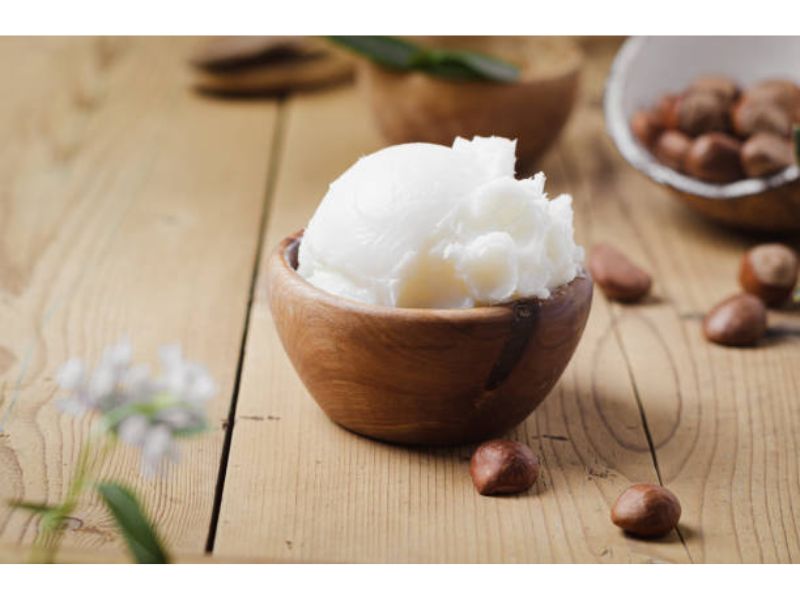
This classic recipe is nourishing and easy:
Ingredients:
- 2 Tbsp unrefined shea butter
- 2 Tbsp unrefined coconut oil
- ½ tsp vitamin E oil
- 10 drops frankincense essential oil
Instructions:
- Melt shea butter and coconut oil using a double‑boiler (bain‑marie).
- Cool for 30 min, then whisk in vitamin E and frankincense.
- Chill an hour until solid.
- Whip with mixer until fluffy, then jar and store at room temperature.
- Use daily, morning and night, on slightly damp skin.
Why it works:
Shea and coconut create a rich base; vitamin E supports skin repair; frankincense offers firming, anti‑aging benefits.
2. Lavender‑Coconut Eye Balm for Anti‑Aging
A streamlined, lavender‑infused formula:
Ingredients:
- ¼ cup raw coconut oil
- 20 drops vitamin E oil
- 4 drops lavender essential oil
Method:
- Gently melt coconut oil, remove from heat.
- Cool, then blend in vitamin E and lavender.
- Pour into jar; set about 30 min.
- Store in cool, dry place (or fridge), use sparingly morning and night.
Benefits:
Lavender soothes inflammation, brightens discoloration; coconut and vitamin E hydrate and protect.
3. Coffee‑Honey Eye Cream for Puffiness & Dark Circles

Energizing DIY treat:
Ingredients:
- 1 Tbsp coffee‑infused oil (homemade or store‑bought)
- ½ Tbsp jojoba oil
- ½ Tbsp rosehip seed oil
- 1 ½ Tbsp shea butter
- 1 ½ Tbsp cocoa butter
- 10 drops lavender + 3 drops chamomile essential oil
- 5 drops vitamin E oil
Steps:
- Melt butters; stir in oils and essential oils; cool slightly; stir thoroughly.
- Jar in small pot; use chilled for better de‑puffing effect.
Why coffee?
Caffeine helps constrict blood vessels to reduce under‑eye inflammation and lighten dark circles; honey adds hydration and vitamins.
4. Green‑Tea + Carrier‑Oil Firming Eye Cream (Advanced Emulsion)
Use this for a light, well‑absorbed eye cream:
Ingredients:
- Brewed green tea (cooled, about ¼ cup)
- 1 Tbsp rosehip seed oil; 1 Tbsp sweet almond oil
- ¼ tsp emulsifying wax; ¼ tsp vitamin E
- 1–2 drops carrot seed essential oil; 3 drops lavender
- Optionally NeoDefend preservative or willow bark extract
Directions:
- Set two double‑boilers: one with oil mix (wax + oils + vitamin E); one with green tea and water phase.
- Heat both to ~130°F (around 54°C), pour water into oil phase, blend with immersion blender.
- Whip until creamy; cool fully; store in fridge, use within 4 weeks.
Features:
This emulsion yields a light, milky texture; emulsifying wax and preservative help mix water/oil and extend shelf life.
How to Choose Ingredients Based on Your Skin Concern
To Reduce Puffiness
- Use caffeine (coffee or green tea iced cubes or extract)
- Chill your homemade formula before applying
- Light base oils (jojoba, almond), minimal butters to avoid heaviness
To Fade Dark Circles
- Look for antioxidants: vitamin E, rosehip oil, honey
- Add vitamin K if you can source it safely (tiny amount)
- Gentle essential oils like carrot seed may aid tone
For Fine Lines and Firming
- Include frankincense (new cell growth)
- Shea or cocoa butter boost texture
- Use every night for best cumulative results
Application Tips & Storage Guidelines

How to Apply Eye Cream Safely
- Use your ring finger (gentlest) to apply a pea‑sized dot around under‑eye socket (avoid lash line) in upward patting motions.
- Apply after cleansing, before serum and moisturizer.
- Use twice daily: morning and night for consistent benefit.
Shelf Life and Hygiene
If your recipe includes water phase, use a gentle preservative such as willow bark extract or NeoDefend.
Store in clean glass jars, ideally in a cool, dry place or fridge.
Use within 1 month if water-based; 3 months if purely oil/butter formula.
Always use clean hands or spatula to avoid contamination.
FAQs On Homemade Eye Cream
1. How can I make eye cream at home?
You can make eye cream at home by combining natural ingredients such as shea butter, coconut oil, vitamin E, and essential oils. Start by melting shea butter and coconut oil in a double boiler, then mix in vitamin E oil and a few drops of essential oils like frankincense or lavender. Whip the mixture until creamy and store it in a clean glass jar. Apply a small amount daily to hydrate and protect the delicate under-eye area.
2. What is a good substitute for eye cream?
If you don’t have a prepared eye cream, natural oils such as sweet almond oil, jojoba oil, or even aloe vera gel can work as excellent substitutes. These ingredients provide hydration, reduce puffiness, and help soften fine lines without any added chemicals.
3. What ingredients make a good eye cream?
A good homemade eye cream includes a combination of moisturizing butters (shea or cocoa butter), lightweight carrier oils (rosehip, almond, or jojoba), antioxidants (vitamin E, vitamin K), and optional boosters like caffeine or green tea extract for reducing puffiness and dark circles. Essential oils like frankincense and carrot seed can also add anti-aging benefits.
4. Homemade eye cream for dark circles?
To target dark circles, combine rosehip oil, vitamin K, and a bit of coffee-infused oil or green tea extract. These ingredients improve circulation under the eyes, lighten pigmentation, and help brighten dull skin. Using this mixture regularly can visibly reduce dark circles over time.
5. Homemade eye cream for wrinkles?
For wrinkles and fine lines, a rich blend of shea butter, cocoa butter, vitamin E, and frankincense essential oil works well. These ingredients support collagen production, keep the skin plump, and reduce the appearance of aging signs naturally.
6. Homemade eye cream with aloe vera?
Aloe vera is excellent for soothing tired eyes and adding light hydration. Mix aloe vera gel with rosehip oil, a few drops of vitamin E, and blend until smooth. Store in a cool place and apply morning and night to refresh and hydrate the under-eye skin.
7. Best homemade eye cream?
The best DIY eye cream often depends on your skin concern. For a universal formula, use a whipped blend of shea butter, coconut oil, rosehip oil, vitamin E, and a touch of frankincense. This mixture deeply nourishes, fights dark circles, and prevents fine lines effectively.
8. Natural eye cream home remedy?
As a quick remedy, you can dab cold cucumber juice or chilled green tea bags under your eyes for instant de-puffing and brightening. Honey mixed with almond oil also serves as a simple, natural under-eye moisturizer.
9. Homemade eye cream for dry eyes?
For very dry under-eye skin, use a heavier cream with shea butter, cocoa butter, jojoba oil, and vitamin E. These ingredients form a protective barrier that locks in moisture and prevents dryness throughout the day.
10. Best homemade eye cream for dark circles and wrinkles?
A blend of rosehip oil, shea butter, vitamin E, and caffeine extract works wonders for tackling both dark circles and wrinkles. This powerful combination brightens, firms, and rejuvenates the skin naturally.
11. DIY eye cream with Vaseline?
Yes, Vaseline can be used as a base for DIY eye cream. Mix a small amount with vitamin E oil and apply it under the eyes to lock in moisture. However, Vaseline is more of an occlusive than a nourishing cream, so combining it with natural oils is recommended for added benefits.
12. Can I use homemade eye cream if I have sensitive skin?
Absolutely. Homemade eye creams are generally gentle, especially if you skip essential oils and stick to plain ingredients like aloe vera, sweet almond oil, or shea butter. Always do a patch test on your wrist before applying it to your face to avoid irritation.
13. How long will a jar last?
The shelf life of homemade eye cream depends on the ingredients. Oil-based creams without water can last up to 3 months if stored in a cool, dry place. Water-based creams or those containing aloe vera should be kept in the fridge and used within 4 weeks. Adding vitamin E helps extend freshness naturally.
14. Will this reduce wrinkles?
Yes, consistent use of homemade eye cream with antioxidants (vitamin E, rosehip oil) and collagen-boosting oils (frankincense, carrot seed) can help smooth fine lines and reduce wrinkles over time. Natural remedies work gradually, so patience and regular use are key.
15. Can I apply it under makeup?
Yes, most homemade eye creams can be applied under makeup as long as you use a thin layer and allow it to fully absorb (2–3 minutes) before applying concealer or foundation. Lightweight formulas with aloe vera or jojoba oil work best for daytime use.
Final Thoughts – Why Homemade Eye Cream Works
When made with care and quality ingredients, DIY eye creams can deliver deep hydration, brightening, firming, and anti-aging benefits at a fraction of the cost. The art is in selecting the right oils for your needs, mixing under hygienic conditions, and applying gently and consistently.
Experiment with combinations:
- For brightness, try honey + almond or rosehip + vitamin K.
- For calm, anti‑inflammation, opt for aloe vera or lavender infusions.
- For firmness, whip in shea butter with essential oils like frankincense or carrot seed.
With regular use, patch testing, and mindful storage, these recipes can outperform store‑bought alternatives—while giving you full control over every ingredient. And remember, natural remedies like cucumber slices, cold tea bags, or coffee ice-cubes—when used alongside your cream—can amplify results Real Simple.
Conclusion
This comprehensive guide to homemade eye cream covers why it’s worth making your own, essential ingredients, step-by-step recipes, application advice, and tips to maximize potency and safety. Whether you’re chasing hydration, firming, or brightening, these formulations let you tailor ingredients to your skin’s needs and enjoy a more natural, affordable skincare routine.
Try one recipe today, keep a small beauty journal, and see how your under‑eye skin responds over weeks. With the right approach, homemade eye cream isn’t just a DIY—it’s self-care you control.