
Rose water has been a timeless beauty secret used for centuries in skincare routines worldwide. Known for its refreshing fragrance and natural healing properties, it has become a staple in beauty rituals. One common question that often arises is: Can we apply rose water on face overnight? This article dives deep into the topic, exploring its benefits, potential side effects, step-by-step application methods, and expert recommendations to help you understand whether leaving rose water overnight is safe and effective for your skin.
Understanding Rose Water and Its Skincare Benefits
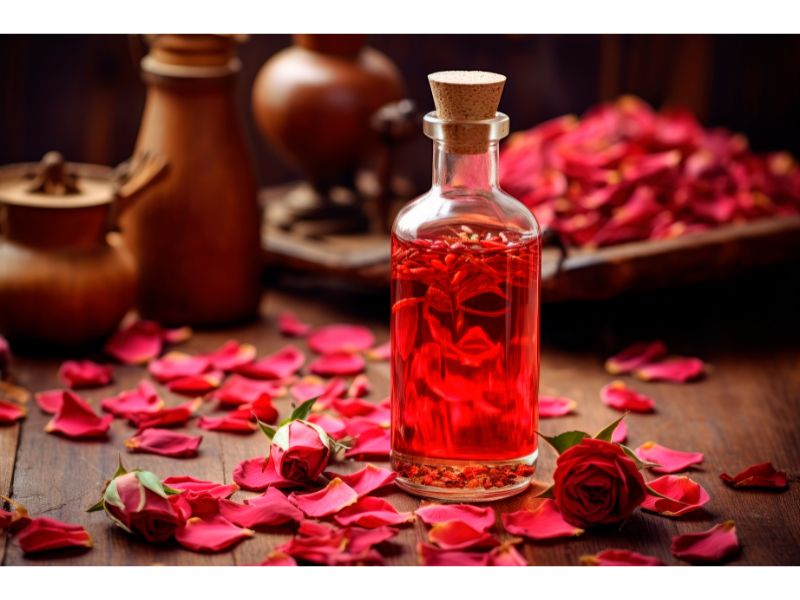
Before answering whether you can leave rose water on your face overnight, it’s essential to understand what rose water is and why it’s widely used in skincare.
Rose water is a natural liquid created by distilling rose petals with steam. It contains the essence of roses, including antioxidants, vitamins, and anti-inflammatory compounds. For generations, rose water has been celebrated for its soothing effects on the skin, making it a versatile ingredient in cleansers, toners, face masks, and homemade beauty remedies.
Key properties of rose water:
- Rich in antioxidants
- Contains natural antibacterial properties
- Balances skin pH levels
- Hydrates and revitalizes the skin
- Calms irritation and redness
Can You Apply Rose Water on Face Overnight?
The short answer is yes, you can safely apply rose water on your face overnight. It is gentle enough for most skin types, including sensitive skin, and can provide long-lasting hydration and freshness when left on overnight. Unlike some chemical-based skincare products, rose water is mild and unlikely to cause irritation if used correctly.
When applied overnight, rose water works continuously while you sleep to soothe inflammation, maintain moisture, and restore the skin’s natural glow. Many beauty enthusiasts use it as a night toner or facial mist to wake up with soft and refreshed skin.
Benefits of Leaving Rose Water Overnight on Skin
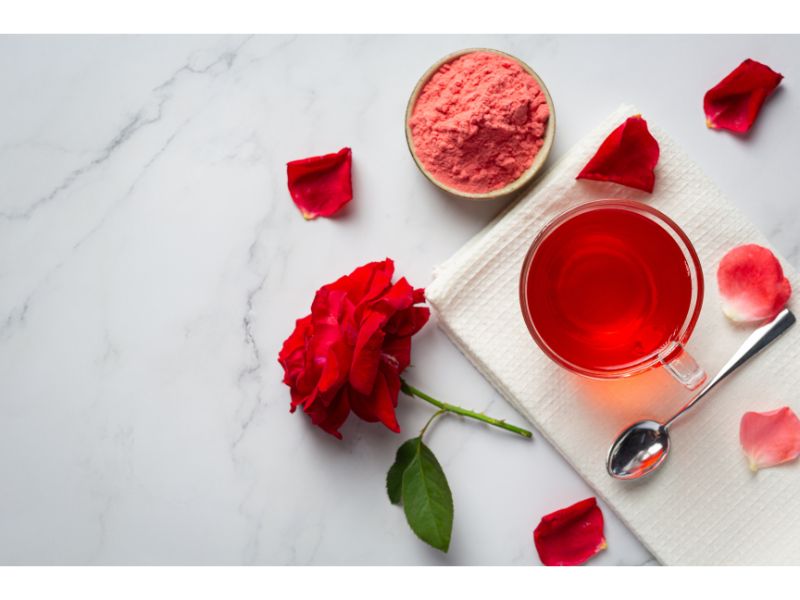
Sleeping with rose water on your face can offer multiple skin benefits. Here’s a detailed look at why it’s effective:
1. Deep Hydration
Rose water penetrates the skin’s layers, providing intense hydration throughout the night. This helps prevent dryness and flakiness, making it ideal for people with dehydrated or combination skin.
2. Natural Skin Toner
Using rose water as a toner overnight balances oil production, tightens pores, and maintains a healthy pH level. This is especially beneficial for those with oily or acne-prone skin.
3. Reduces Inflammation and Redness
Its anti-inflammatory properties help calm skin irritation caused by sun exposure, allergies, or mild acne, allowing your skin to heal while you sleep.
4. Promotes Glowing Skin
Regular overnight use improves blood circulation and revitalizes dull skin, giving you a natural morning glow.
5. Anti-Aging Effects
Rose water is rich in antioxidants, which fight free radicals and prevent early signs of aging like wrinkles and fine lines.
6. Helps with Acne and Blemishes
Thanks to its antibacterial nature, rose water can reduce acne-causing bacteria and gradually fade blemishes and scars over time.
Is It Safe to Sleep with Rose Water on Your Skin?
1. Generally Safe for Most Skin Types
Most dermatologists and skincare sources agree that pure, additive‑free rose water is safe to leave on your face overnight, provided your skin tolerates it well.
Many users—including those with sensitive or combination skin—report no issues when using rose water nightly.
2. Skin Sensitivity & Allergy Precautions
Despite being gentle, rose water can trigger allergic contact dermatitis in rare cases. Symptoms may include redness, itching, or swelling. Always conduct a patch test—apply a bit to the wrist or behind the ear and wait 24 hours before full-face use.
3. Watch Out for Formulation Quality
Not all rose waters are equal. Some commercial versions contain alcohol, preservatives, synthetic fragrances—that may dry or irritate skin. Stick to organic, alcohol‑free, pure rose water for best outcomes.
4. Possible Moisture Imbalance or Pore Issues
If overapplied, rose water might disrupt the skin barrier in some people or feel sticky. Those with very oily skin might experience mild congestion or breakouts—especially if used alone overnight without a moisturizer to seal in hydration.
How to Apply Rose Water on Face Overnight – Step-by-Step
To get the best results from overnight application, follow these simple steps:
- Cleanse Your Face: Start with a gentle cleanser to remove dirt, makeup, and excess oil.
- Pat Dry: Gently dry your skin with a soft towel to avoid irritation.
- Apply Rose Water:
- Using a cotton pad: Soak a cotton pad in rose water and sweep it across your face evenly.
- Using a spray bottle: Spritz rose water directly onto your face for a refreshing mist.
- Massage Gently: Use your fingertips to massage the rose water into your skin to help absorption.
- Optional – Mix with Other Ingredients: For added benefits, mix rose water with glycerin or aloe vera before applying overnight.
- Leave Overnight: Do not rinse; allow the rose water to work while you sleep.
- Morning Rinse: Wash your face with lukewarm water in the morning and follow your regular skincare routine.
Combining Rose Water for Enhanced Overnight Effects
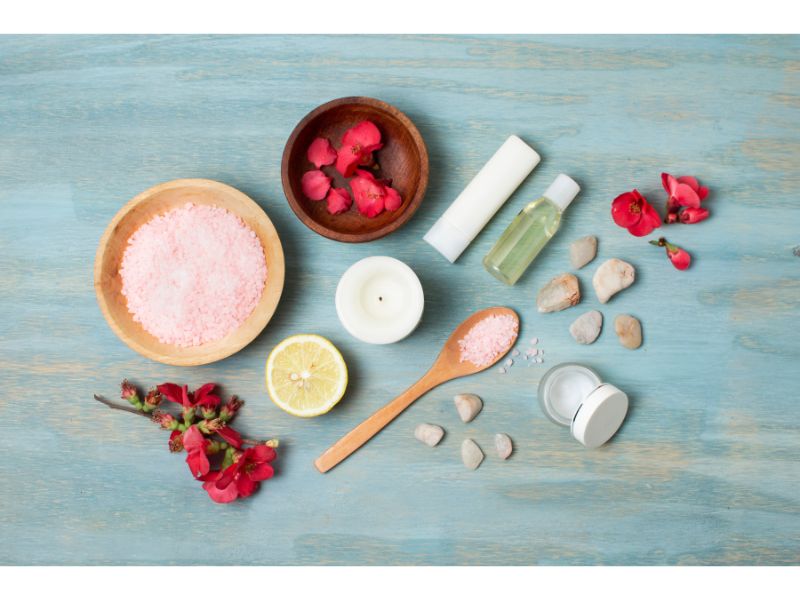
With Glycerin for Intense Hydration
A blend of rose water and glycerin creates a humectant-rich serum that deeply hydrates skin overnight—with minimal risk if used sparingly.
With Oils or Serums
Rose water can be mixed into tonics or serums—such as combining a few drops of rose water with coconut or jojoba oil—for extra nourishment.
Mixed with Aloe Vera or Yogurt
DIY mask blends like rose water + aloe vera or rose water + yogurt or honey can be left on for 15–20 minutes (not overnight) and rinsed—great prep before overnight moisturizer
Best Ways to Use Rose Water Overnight for Different Skin Types
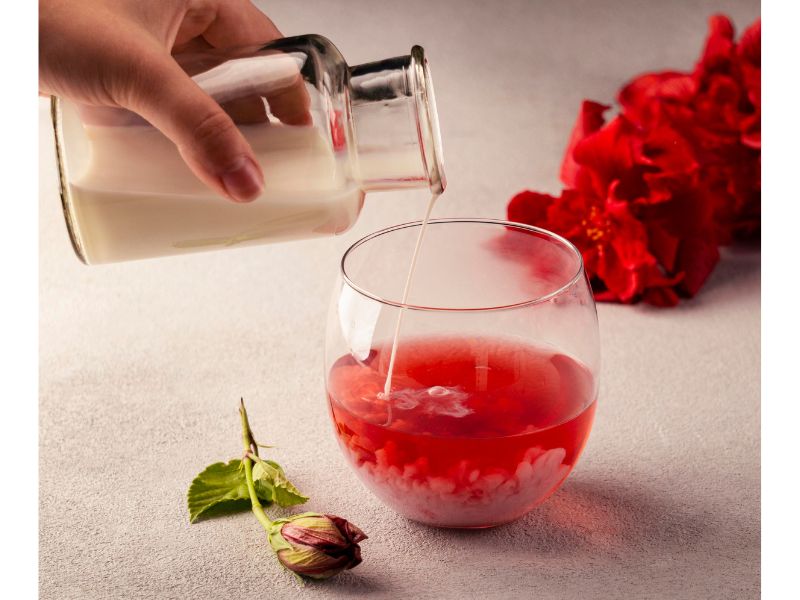
Rose water works for almost all skin types, but customizing its usage can enhance results.
For Dry Skin
Mix rose water with a few drops of glycerin or almond oil to lock in extra moisture overnight.
For Oily or Acne-Prone Skin
Combine rose water with a small amount of lemon juice or tea tree oil to control excess oil and prevent breakouts.
For Sensitive Skin
Apply pure rose water alone without mixing strong ingredients to avoid irritation.
For Combination Skin
Layer rose water with a lightweight night cream to balance hydration levels.
Benefits Summary Table
| Benefit | Description |
|---|---|
| Deep overnight hydration | Gently moisturizes while you sleep |
| Soothes redness & irritation | Anti‑inflammatory properties reduce puffiness and redness |
| Antioxidant + anti‑aging support | Helps combat free radicals and skin stress |
| Mild acne control + pore refining | Antibacterial, astringent, and oil‑balancing effects |
Homemade Rose Water Night Treatments
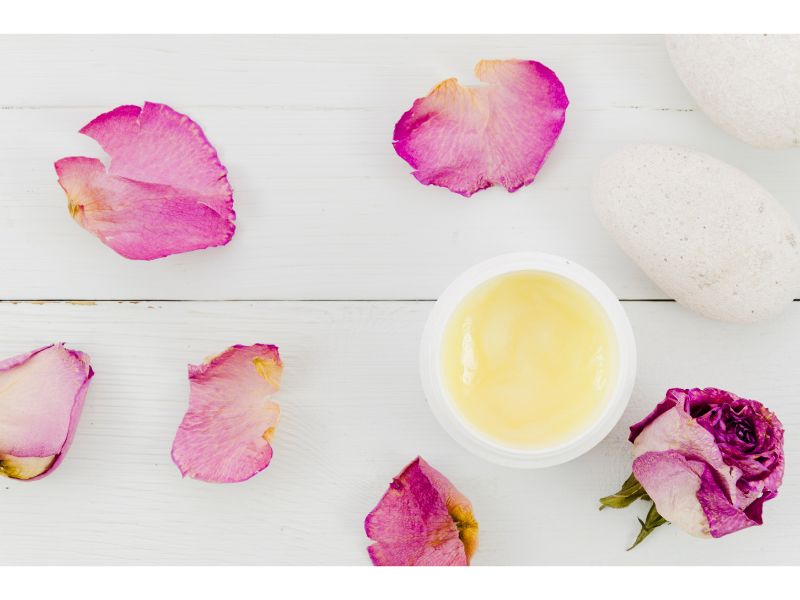
In addition to using rose water directly, you can create DIY overnight skincare remedies:
Aloe Vera and Rose Water Night Gel
- Mix 2 tablespoons of rose water with 1 tablespoon of aloe vera gel.
- Apply evenly before bed for a cooling and moisturizing treatment.
Honey and Rose Water Overnight Mask
- Blend rose water with a teaspoon of honey.
- Apply a thin layer to hydrate and soften dry skin overnight.
Glycerin and Rose Water Night Toner
- Combine equal parts of rose water and glycerin.
- Dab onto the skin to deeply moisturize and prevent tightness.
Precautions and Side Effects of Using Rose Water Overnight
While rose water is generally safe, there are a few precautions to consider:
- Allergic Reactions: Perform a patch test on your wrist or behind your ear before applying to your face overnight.
- Quality Matters: Always use pure, chemical-free rose water to avoid irritation.
- Avoid Overuse: Excessive application may lead to stickiness or clogged pores in some individuals.
- Sensitive Eyes: Be cautious when applying near the eye area to avoid stinging or discomfort.
Expert Tips for Maximizing Benefits
- Apply rose water after cleansing and before applying any night creams or serums for better absorption.
- Store rose water in a cool, dark place or refrigerate it to maintain freshness and enhance its cooling effect.
- Use cotton pads instead of hands to maintain hygiene during application.
- For acne-prone skin, pair rose water with natural antibacterial agents like neem or tea tree oil.
Myths and Facts About Overnight Rose Water Use
There are several misconceptions about using rose water on the face overnight. Let’s clarify a few:
- Myth: Rose water clogs pores overnight.
- Fact: Pure rose water is non-comedogenic and safe for most skin types.
- Myth: It can bleach or lighten the skin unnaturally.
- Fact: Rose water doesn’t bleach; it enhances natural brightness by improving hydration.
- Myth: Only suitable for dry skin.
- Fact: Rose water balances oil production, making it ideal for oily and combination skin as well.
Final Thoughts – Should You Use Rose Water on Face Overnight?
Applying rose water to your face overnight is a simple yet effective skincare practice. It naturally hydrates, tones, soothes, and revitalizes the skin without harsh chemicals. Whether you have dry, oily, or sensitive skin, rose water can be safely used as part of your nighttime routine.
However, always ensure you’re using high-quality rose water and consider doing a patch test if you have extremely sensitive skin. With consistent overnight use, you can wake up to softer, clearer, and healthier-looking skin, making rose water a must-have in your beauty arsenal.
FAQs About Overnight Use of Rose Water
Can rose water be left on the face overnight every day?
Yes, you can use it daily as it’s gentle and hydrating.
Will rose water make my skin oily if left overnight?
No, it helps balance oil production and won’t make your skin greasy.
Can I mix rose water with my night cream?
Absolutely, mixing rose water with night creams enhances absorption and hydration.
Does rose water help with pimples overnight?
Its antibacterial properties can reduce pimples and inflammation over time.
Can rose water cause any side effects if used overnight?
Side effects are rare but may occur if you’re allergic or using rose water with additives.
Great job simplifying something so complex.