Anxiety has quietly become one of the most common challenges people face today. Whether it’s work pressure, overthinking, social expectations, or digital overload—our minds rarely get a break. But here’s something interesting: one of the most effective remedies isn’t found in a pill or a therapy room—it’s movement.
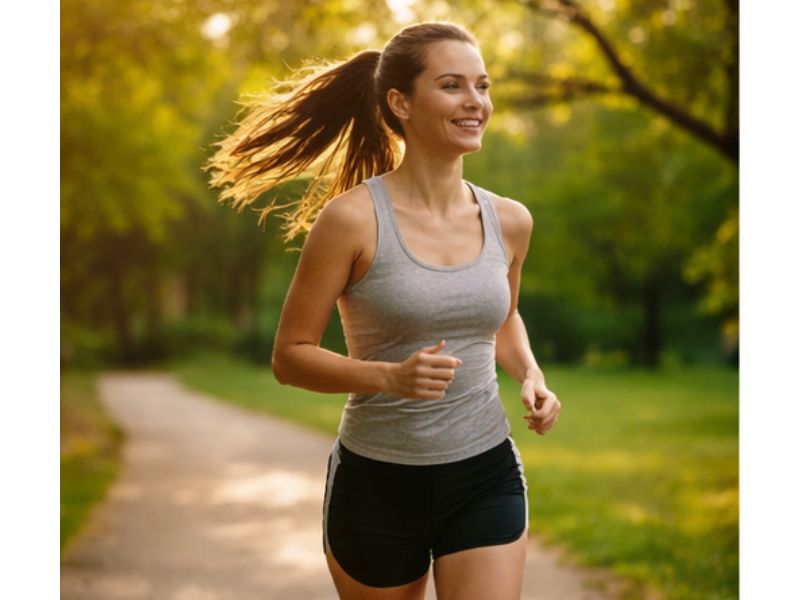
So, does physical activity really reduce anxiety? The short answer is yes. But the real story goes much deeper than that.
Let’s explore how exercise impacts your brain, why it works so well, and how you can use it in your daily life to feel calmer, stronger, and more in control.
Understanding Anxiety and Its Impact on Daily Life
Before we explore solutions like Does Physical Activity Reduce Anxiety, it’s important to understand what anxiety actually is.
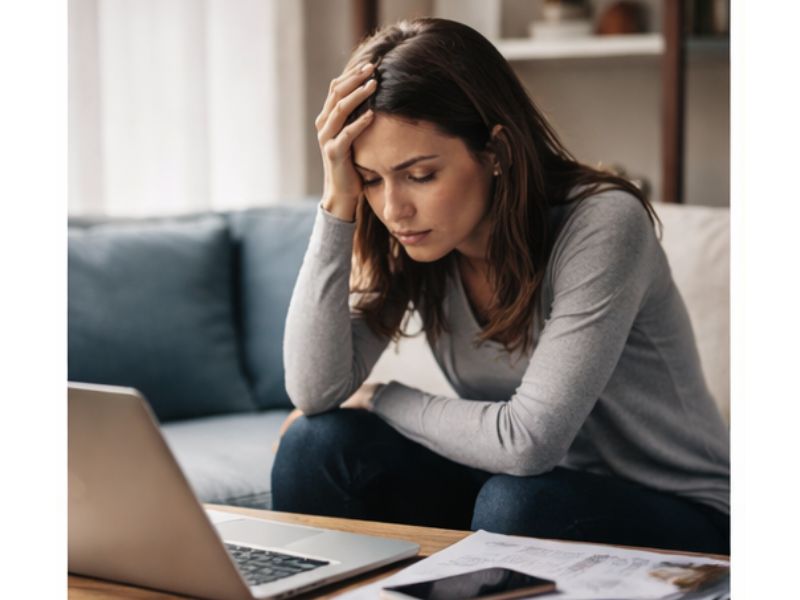
Anxiety is your body’s natural response to stress. It’s that feeling of worry, fear, or nervousness when something uncertain or overwhelming is ahead. In small doses, it’s useful—it keeps you alert. But when it becomes constant, it starts affecting your sleep, focus, relationships, and overall health.
Common symptoms include:
- Racing thoughts
- Restlessness
- Increased heart rate
- Difficulty concentrating
- Sleep disturbances
This is where physical activity steps in as a powerful, natural regulator.
How Physical Activity Reduces Anxiety Naturally
You’ve probably heard people say, “Just go for a walk, you’ll feel better.” It sounds simple—but there’s actual science behind it.
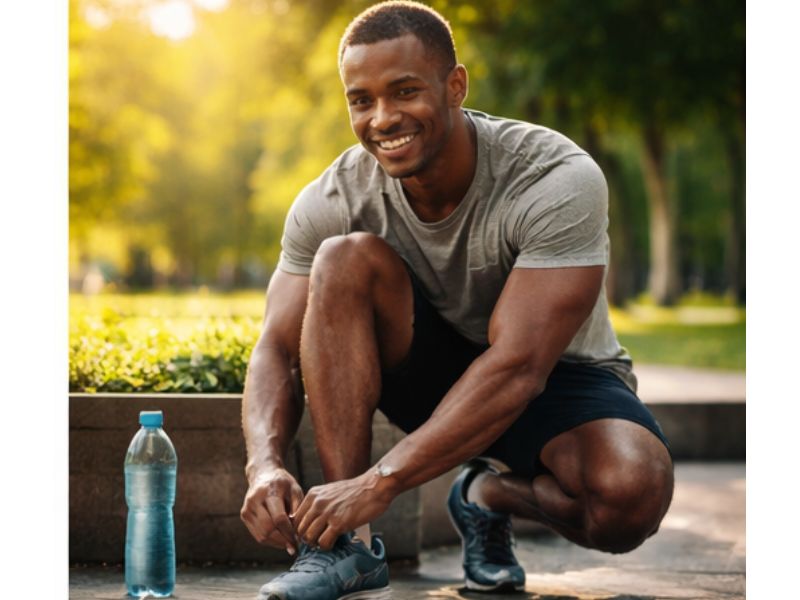
Release of Feel-Good Chemicals
When you engage in physical activity, your brain releases chemicals like endorphins, dopamine, and serotonin. These are often called “happy hormones” because they improve mood and create a sense of well-being.
Endorphins, in particular, act as natural painkillers and mood elevators. This is why people often talk about a “runner’s high.”
Reduction in Stress Hormones
Exercise lowers levels of cortisol and adrenaline—two hormones responsible for stress and anxiety. When these hormones are balanced, your body naturally shifts into a calmer state.
Improved Brain Function
Regular physical activity enhances blood flow to the brain, improving cognitive function and emotional regulation. It helps your brain process stress more effectively rather than reacting impulsively.
The Mind-Body Connection: Why Movement Calms Your Thoughts
Before we explore solutions like Does Physical Activity Reduce Anxiety, it’s important to understand what anxiety actually is and how it affects your daily life. Anxiety is your body’s natural response to stress. It’s that feeling of worry, fear, or nervousness when something uncertain or overwhelming is ahead. In small doses, it’s useful—it keeps you alert and prepared.
But when it becomes constant, it starts interfering with your sleep, focus, relationships, and overall well-being. This is exactly where the question Does Physical Activity Reduce Anxiety becomes important, because understanding the root of anxiety helps you see why movement can be such a powerful solution.
Distraction from Negative Thoughts
When you’re engaged in exercise—whether it’s running, yoga, or dancing—you focus on your movements, breathing, and surroundings. This breaks the cycle of repetitive negative thinking.
Mindfulness Through Movement
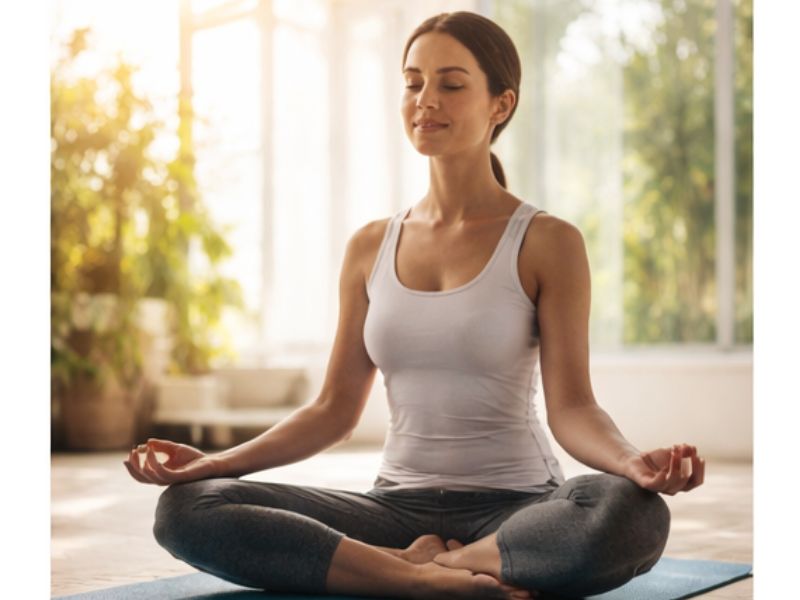
Activities like yoga, walking, and stretching naturally promote mindfulness. You become aware of your body, your breath, and the present moment—reducing mental clutter.
Improved Sleep Quality
Poor sleep and anxiety go hand in hand. Regular exercise helps regulate your sleep cycle, making it easier to fall asleep and stay asleep, which in turn reduces anxiety levels.
Best Types of Physical Activities for Reducing Anxiety
Not all workouts need to be intense or exhausting. The key is consistency and enjoyment.
Aerobic Exercises
Cardio-based activities are especially effective for anxiety reduction:
- Walking
- Running
- Cycling
- Swimming
Even 20–30 minutes of moderate aerobic exercise can significantly improve mood.
Strength Training
Lifting weights or doing bodyweight exercises builds not only physical strength but also mental resilience. It gives you a sense of control and accomplishment.
Yoga and Stretching
Yoga combines movement with breathing and mindfulness, making it one of the most effective exercises for calming anxiety.
Outdoor Activities
Exercising in nature—like hiking or jogging in a park—amplifies the benefits. Fresh air and natural surroundings have a soothing effect on the mind.
How Much Exercise Is Needed to Reduce Anxiety?

You don’t need to spend hours at the gym to see results.
Research suggests:
- 150 minutes of moderate activity per week
(about 30 minutes, 5 days a week)
Or even:
- Short bursts of 10–15 minutes can help reduce anxiety instantly
The key is consistency, not intensity.
Immediate vs Long-Term Benefits of Physical Activity
Instant Effects
- Reduced tension and stress
- Improved mood within minutes
- Increased energy levels
Long-Term Benefits
- Lower baseline anxiety levels
- Better emotional control
- Increased self-confidence
- Improved overall mental health
Over time, exercise actually rewires your brain to handle stress more effectively.
Why Exercise Works Better Than You Think
Here’s something most people don’t realize when asking Does Physical Activity Reduce Anxiety: physical activity doesn’t just distract you from anxious thoughts—it actually trains your body and mind to handle stress more effectively.
When you exercise, your body goes through a controlled form of stress, such as an increased heart rate and faster breathing. This might sound similar to anxiety symptoms, but here’s the difference—in this case, your body is in control.
Common Mistakes People Make When Using Exercise for Anxiety
Expecting Instant Transformation
While exercise does provide quick relief, long-term anxiety reduction requires consistency.
Overtraining
Too much intense exercise can actually increase stress levels. Balance is key.
Choosing the Wrong Activity
If you hate running, forcing yourself to run won’t help. Choose something you enjoy.
Ignoring Rest and Recovery
Rest days are just as important as active days for mental and physical health.
Simple Ways to Add Physical Activity Into Your Routine
If you’re not used to exercising, starting can feel overwhelming. But it doesn’t have to be complicated.
Here are some easy ways to begin:
- Take a 15-minute walk after meals
- Use stairs instead of elevators
- Stretch for 5–10 minutes in the morning
- Try short home workouts
- Dance to your favorite music
The goal is to move more, not to be perfect.
Does Exercise Replace Therapy or Medication?
This is an important question.
Physical activity is a powerful tool for managing anxiety, but it’s not always a complete replacement for professional treatment—especially in severe cases.
Think of it as part of a holistic approach that may include:
- Therapy
- Medication (if prescribed)
- Lifestyle changes
- Mindfulness practices
When combined, these approaches can significantly improve mental health.
The Psychological Benefits Beyond Anxiety Reduction
Exercise doesn’t just reduce anxiety—it enhances your overall mental well-being.
Boosts Self-Esteem
Achieving fitness goals, no matter how small, builds confidence.
Improves Focus and Productivity
Regular movement sharpens your mind and improves concentration.
Encourages Social Interaction
Group activities or gym environments can help reduce feelings of isolation.
What Science Says About Physical Activity and Anxiety
Numerous studies have shown a strong link between regular physical activity and reduced anxiety levels.
Some key findings:
- Exercise can be as effective as medication for mild to moderate anxiety
- Regular movement lowers the risk of developing anxiety disorders
- Active individuals report better emotional stability
This makes physical activity one of the most accessible and cost-effective mental health tools available.
How to Stay Consistent With Exercise
Starting is easy—staying consistent is the real challenge.
Here are some practical tips:
Set Realistic Goals
Don’t aim for perfection. Start small and build gradually.
Make It Enjoyable
Choose activities you genuinely like.
Create a Routine
Fix a specific time for your workouts to build a habit.
Track Your Progress
Seeing improvement keeps you motivated.
Be Kind to Yourself
Missing a day doesn’t mean failure. Just start again.
Signs That Exercise Is Helping Your Anxiety
You might not notice changes immediately, but over time, you’ll see:
- Fewer anxious thoughts
- Better sleep
- Improved mood
- Increased energy
- Greater emotional stability
These small changes add up to a big transformation.
Final Thoughts: Is Physical Activity the Key to Reducing Anxiety?
So, does physical activity reduce anxiety?
Absolutely—but it’s not about intense workouts or strict routines. It’s about consistent, enjoyable movement that helps your body and mind work in harmony.
In a world where anxiety often feels unavoidable, exercise offers something powerful: control. It gives you a way to actively improve how you feel, both physically and mentally.
You don’t need a gym membership, expensive equipment, or hours of free time. All you need is a willingness to start.
Because sometimes, the simplest solution—just moving your body—can be the most effective one.
FAQs
Q1. What exercise is best for anxiety?
The best exercise for anxiety is the one you can do consistently and enjoy. However, some of the most effective options include aerobic activities like walking, running, cycling, and swimming. These exercises boost endorphins and reduce stress hormones quickly. Mind-body exercises like yoga and stretching are also excellent because they combine movement with breathing and relaxation, helping calm both the mind and body.
Q2. Can anxiety go away with exercise?
Exercise can significantly reduce anxiety and, in some cases, make it feel like it has disappeared. However, it may not completely eliminate anxiety for everyone—especially if it’s severe or linked to deeper psychological factors. Regular physical activity works best as a long-term management tool rather than a one-time cure.
Q3. How to stop feeling anxious all the time?
To reduce constant anxiety, combine multiple strategies:
- Engage in daily physical activity
- Practice deep breathing or meditation
- Maintain a healthy sleep routine
- Limit caffeine and screen time
- Talk to someone you trust
Exercise plays a central role because it regulates stress hormones and improves emotional balance over time.
Q4. How to calm someone with anxiety?
If someone is feeling anxious, the best approach is to be calm and supportive:
- Listen without judging
- Encourage slow, deep breathing
- Suggest a short walk or light physical activity
- Avoid dismissing their feelings
Sometimes, simply being present and patient can make a big difference.
Q5. Has exercise cured anxiety for some people?
Yes, many people report that regular exercise has dramatically reduced or even eliminated their anxiety symptoms. While it may not be a universal “cure,” it can feel life-changing for those who stick to a consistent routine and combine it with other healthy habits.
Q6. Does running reduce anxiety and depression?
Running is one of the most effective exercises for both anxiety and depression. It releases endorphins, improves mood, and provides a mental break from overthinking. Even a short run can create a noticeable shift in how you feel.
Q7. What is the best exercise for depression and anxiety?
A mix of aerobic exercise (like brisk walking or cycling), strength training, and mindfulness-based activities (like yoga) works best. Combining these helps improve mood, build confidence, and reduce stress simultaneously.
Q8. Does exercise help anxiety and panic attacks?
Yes, regular exercise can reduce the frequency and intensity of anxiety and panic attacks. It helps your body become more resilient to stress and teaches it how to recover faster from heightened states of anxiety.
Q9. What is the best exercise for anxiety and panic attacks?
Low to moderate-intensity exercises are ideal, such as:
- Walking
- Yoga
- Swimming
- Light jogging
These activities help regulate breathing and prevent overstimulation, which is important for managing panic symptoms.
Q10. What is the best time to exercise for anxiety?
The best time depends on your lifestyle. Morning exercise can set a positive tone for the day, while evening workouts can help release built-up stress. The key is choosing a time you can stick to consistently.
Q11. How much exercise is needed to reduce anxiety?
Experts recommend at least 150 minutes of moderate exercise per week (about 30 minutes, 5 days a week). Even shorter sessions of 10–15 minutes can provide immediate anxiety relief.
Q12. Does exercise help depression?
Yes, exercise is highly effective in reducing symptoms of depression. It improves mood, increases energy levels, enhances sleep quality, and boosts self-esteem—making it a powerful natural tool for mental well-being.
Q13. Can exercise completely cure anxiety?
Exercise can significantly reduce anxiety symptoms, but it may not completely cure it, especially in severe cases. It works best as part of a broader mental health strategy.
Q14. What is the best time to exercise for anxiety relief?
There’s no fixed “best” time. Morning workouts can boost mood for the day, while evening exercise can help release stress. Choose what fits your routine.
Q15. How quickly does exercise reduce anxiety?
You may feel immediate relief after a single session, but long-term benefits typically appear after a few weeks of consistent activity.
Q16. Is walking enough to reduce anxiety?
Yes, even a simple daily walk can significantly lower anxiety levels if done consistently.
Q17. Can too much exercise increase anxiety?
Yes, excessive or intense workouts without proper rest can increase stress and anxiety. Balance is important.
Trải nghiệm demo miễn phí có sẵn trên nhà cái xn88 – bạn có thể thử mọi slot trước khi đặt cược thật, tiết kiệm chi phí và nâng cao kỹ năng. TONY05-15